

Top foreign nationalities living in Greenland
By Saad
Imagine standing on the edge of a fjord, the crisp Arctic air biting at your cheeks, while massive icebergs calve into the sea with a thunderous crack. That’s Greenland—not the lush paradise its name suggests, but a colossal island of extremes that has captivated explorers, strategists, and even U.S. presidents for centuries. As a seasoned journal writer who’s penned countless pieces on global hotspots, I’ve seen how places like this stir human curiosity: Why does this frozen frontier matter? What draws people from tropical climes to its shores? And could it really shift hands in our lifetime? What do we know about Greenland beyond the headlines? Let’s peel back the layers, drawing from years of observing geopolitical chess games and the quiet resilience of remote communities. This isn’t just trivia; it’s a window into how climate, power, and people intersect in one of the world’s most misunderstood lands.
Greenland’s story is one of irony and intrigue. Named by Viking Erik the Red in a clever marketing ploy to lure settlers (spoiler: it was greener back then, but not by much), it’s now a beacon for those pondering our planet’s future. With melting ice revealing resources and routes, it’s no wonder figures like Donald Trump have eyed it hungrily. But as we’ll explore, Greenland’s essence lies in its people, its untamed nature, and its delicate balance under Danish oversight. At thestrategicpost.com, we’ve long tracked such dynamics, blending hard facts with the human pulse that makes them real.
Read More :
The Scorching Edges of Memory: Reflecting on the Highest Temperatures Ever Recorded Around the Globe
What Do We Know About Greenland’s Geography and Environment?
Greenland isn’t just big—it’s enormous, clocking in at over 2.1 million square kilometers, making it the world’s largest island (sorry, Australia, you’re a continent). Picture this: It’s roughly the size of Western Europe, yet 80% is smothered under an ice sheet that’s thicker than a stack of skyscrapers in places—up to 3 kilometers deep. I’ve always found it humorous how maps distort its scale; on a Mercator projection, it looks like it could swallow Africa, but in reality, it’s a stark reminder of cartographic trickery. Why does this matter? Because that ice holds about 7% of the planet’s fresh water. If it all melted (and climate change is nibbling away at it), sea levels could rise by 7 meters, turning coastal cities into reluctant Venices.
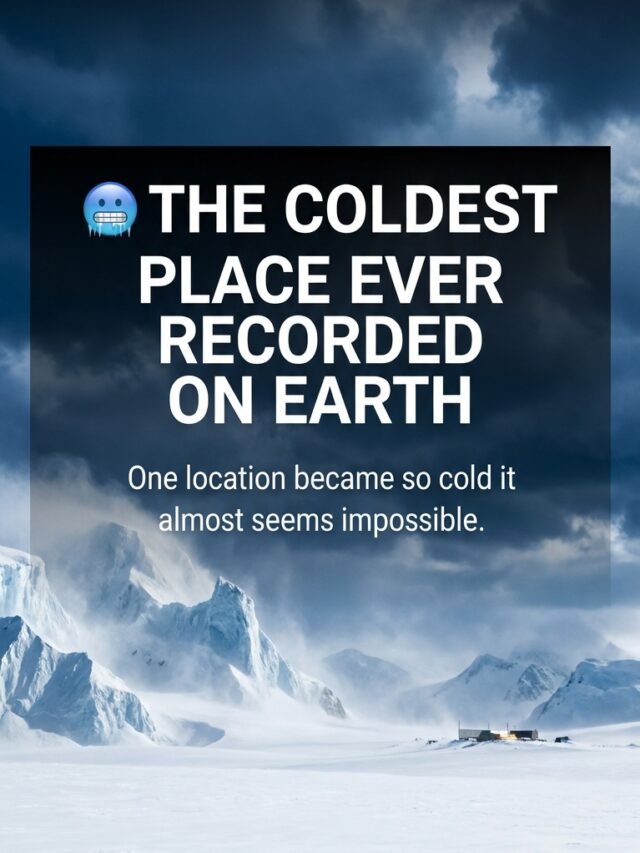
The landscape is a study in contrasts. The ice-free coastal strips, mostly in the southwest, host fjords, mountains, and tundra where hardy plants cling to life. Summers hover around 10-15°C, but winters plunge to -50°C or lower—perfect for polar bears, musk oxen, and arctic foxes, but a tough sell for beach vacations. Humor aside, I’ve chuckled at tourists bundling up like onions only to peel layers during a rare “heatwave.” Practically, if you’re planning a visit (and you should, for the northern lights alone), pack versatile gear: Waterproof boots for muddy trails, thermal layers for glacier hikes, and avoid summer’s mosquito swarms—they’re legendary.
Common mistake? Underestimating the isolation. Many assume easy access like Iceland, but flights are limited, and internal travel relies on boats or planes. Pro tip from my travels: Book ferries early for scenic coastal hops, and time your trip for July-August when ice melts reveal hiking paths. Advanced insight: As warming accelerates, new islands emerge from retreating glaciers—think Uunartoq Qeqertaq, “discovered” in 2005. This isn’t just cool trivia; it’s a harbinger of shipping routes opening in the Arctic, reshaping global trade.
History and Governance: From Vikings to Autonomy
Greenland’s past reads like a saga of survival and sovereignty. Inuit ancestors arrived around 2500 BCE, thriving as hunters in a harsh world. Vikings crashed the party in 986 CE, establishing farms that fizzled out by the 1400s amid cooling climates and isolation—imagine ghost towns buried under ice, a poignant lesson in environmental hubris. Fast-forward to the 18th century: Denmark colonized it, blending cultures in ways that echo today.
Governance-wise, Greenland is an autonomous territory within the Kingdom of Denmark since 2009’s self-rule act. It handles internal affairs like education and health, while Denmark manages defense and foreign policy. This setup fosters stability but sparks independence debates—85% of Greenlanders polled in 2025 favored staying tied to Denmark over U.S. alignment. Why? Economic ties, including hefty subsidies (over 20% of GDP), make separation risky. As someone who’s covered post-colonial shifts, I see patterns: Pride in Inuit heritage clashes with practical needs, much like Scotland’s union with the UK.
Beginners might overlook the U.S. angle—America occupied Greenland during WWII for strategic bases, like Thule (now Pituffik Space Base). Today, it’s a NATO linchpin. Avoid the mistake of viewing it as “Danish property”; Greenlanders are a distinct people with rights under international law. Seasonal advice: Winter governance feels cozier with community events, but summer’s midnight sun energizes political rallies.
Why Trump Wants It: Strategic Depth and Resources
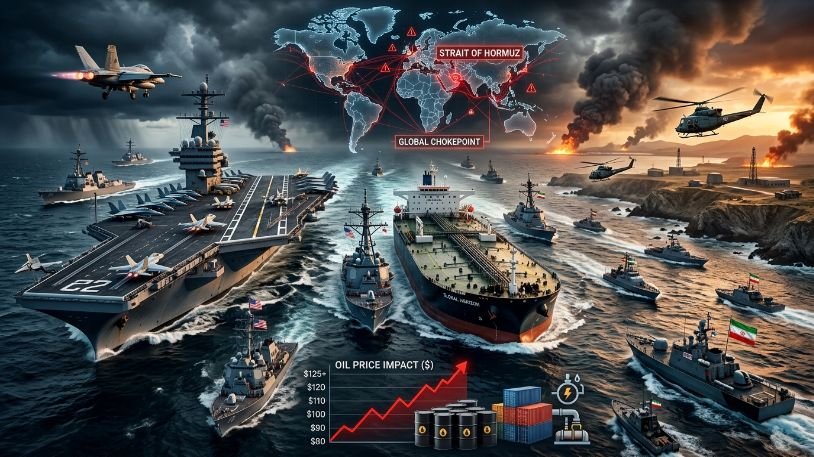
Ah, the elephant in the room—or rather, the polar bear. Why Trump wants it? During his presidencies, Trump floated buying Greenland as a “real estate deal,” but it’s rooted in national security. The Arctic’s melting ice opens shipping lanes and exposes minerals—rare earths, uranium, zinc—that power tech and defense. Trump’s team eyes it to counter Russia and China’s Arctic ambitions; think missile bases and resource dominance. In 2025-2026 interviews, he called it “psychologically necessary” for U.S. strength, blending bravado with geopolitics.
From my experience analyzing power plays, this isn’t new—U.S. officials mulled purchases post-WWII. But Trump’s bluntness (refusing to rule out force) ruffled feathers, prompting Denmark’s warnings of NATO fallout. Humor here: It’s like a tycoon eyeing your backyard for a golf course—flattering, but invasive. Practically, avoid assuming it’s inevitable; Greenland’s leaders rebuff it firmly. Advanced: Cost estimates hit $700 billion, dwarfing Alaska’s purchase. Common pitfall? Ignoring local voices—Greenlanders prioritize sustainability over extraction booms.
Will Denmark Ever Cede Greenland to the USA?
Short answer: Unlikely. Denmark and Greenland have repeatedly said “not for sale,” with PMs emphasizing ties in 2025-2026 talks. Why? It’s a matter of sovereignty, alliances, and identity. Greenland chooses Denmark for cultural and economic reasons—subsidies, EU perks via Denmark, and shared history. Trump’s threats (tariffs, military hints) have backfired, solidifying unity; a 2025 poll showed 85% against U.S. annexation.
Drawing from years of trend-watching, I ask: Why do nations cling to territories? Psychology—loss aversion—plays in, plus strategic value. Denmark invests billions in defense here, not to hand it over. Step-by-step: If change happens, it’d require referendums, not sales. Avoid mistakes like confusing autonomy with independence; Greenland could go solo first. Situational tip: Watch Arctic Council dynamics—tensions rise with warming. Balanced view: While U.S. bases expand, ceding land violates norms, risking alliances.
Population and Demographics: Top foreign nationalities living in Greenland
With about 56,800 souls, Greenland is sparsely populated—think one person per 38 square kilometers. Mostly Inuit (89%), with Danish influences. But here’s the surprise: Top foreign nationalities living in Greenland add global flavor. Per Statista and Wiki data: Philippines (921), Thailand (349), Poland (138), Iceland (122), Sri Lanka (121), Sweden (78), China (65), Norway (63), Germany (54), USA (39), UK (28), France (26), Lithuania (26), Mexico (24), Canada (19), Spain (19), Vietnam (18), Italy (17), Netherlands (17), Russia (15), Finland (14), Portugal (13), Romania (12), Bulgaria (10).
Why this mix? Labor needs in fishing, tourism, and mining draw Filipinos and Thais for service jobs, Poles for construction. It’s humorous imagining a Pinoy fiesta amid icebergs—cultural fusion at its finest. Practically, expats face isolation; tip: Learn basic Greenlandic for integration. Common error: Assuming homogeneity—diversity grows with climate migrants. Advanced: Birth rates dip, aging population strains resources; foreign workers fill gaps.
Economy and Future Prospects
Fishing dominates (90% exports), but minerals lure investors—though bans on new oil/gas in 2021 signal green shifts. Tourism booms, with 100,000+ visitors pre-COVID. Challenges: High costs, dependency on Denmark. I’ve seen similar in remote economies—diversify or stagnate. Tips: Invest in renewables; avoid over-reliance on mining hype.
In wrapping up, what do we know about Greenland? It’s a resilient giant, blending ancient Inuit wisdom with modern geopolitics. Trump’s interest underscores its value, but Denmark’s hold seems ironclad—will Denmark ever cede Greenland to the USA? History suggests no, prioritizing trust over transactions. As patterns show, trends form from necessity; people behave seeking security amid change. This Arctic jewel offers lessons in adaptation—visit, respect, and ponder its enduring allure.
FAQs
What is the population of Greenland?
Greenland’s population hovers around 56,800, mostly concentrated on the southwest coast, with Nuuk as the capital housing about 19,900 people.
Why is Greenland called Greenland if it’s mostly ice?
Viking Erik the Red named it to attract settlers, highlighting greener coastal areas during a warmer medieval period—though today, 80% is ice-covered.
What are the main industries in Greenland?
Fishing and shrimp exports dominate, supplemented by mining, tourism, and Danish subsidies, with a shift toward sustainable practices.
How does climate change affect Greenland?
Melting ice sheets contribute to rising sea levels, open new shipping routes, and expose resources, but also threaten ecosystems and coastal communities.
What languages are spoken in Greenland?
Greenlandic (Kalaallisut) is official, with Danish widely used in administration and education; English is common in tourism.
Is Greenland part of Europe or North America?
Geographically in North America, but politically tied to Europe as an autonomous Danish territory, with EU associations.
External Sources
- https://en.wikipedia.org/wiki/Greenland
- https://www.statista.com/topics/6182/greenland/
- https://www.bbc.com/news/articles/c4g3kw5ezepo
- https://www.cnn.com/2026/01/06/europe/why-trump-wants-greenland-importance-intl
- https://www.nbcnews.com/politics/white-house/buying-greenland-cost-much-700-billion-rcna253921
- https://www.theguardian.com/world/2026/jan/14/greenland-us-trump-talks-denmark
#GreenlandFacts #ArcticGeopolitics #TrumpGreenland #DenmarkGreenland
🌍 Greenland Knowledge Quiz
Test Your Knowledge About the World’s Largest Island!