

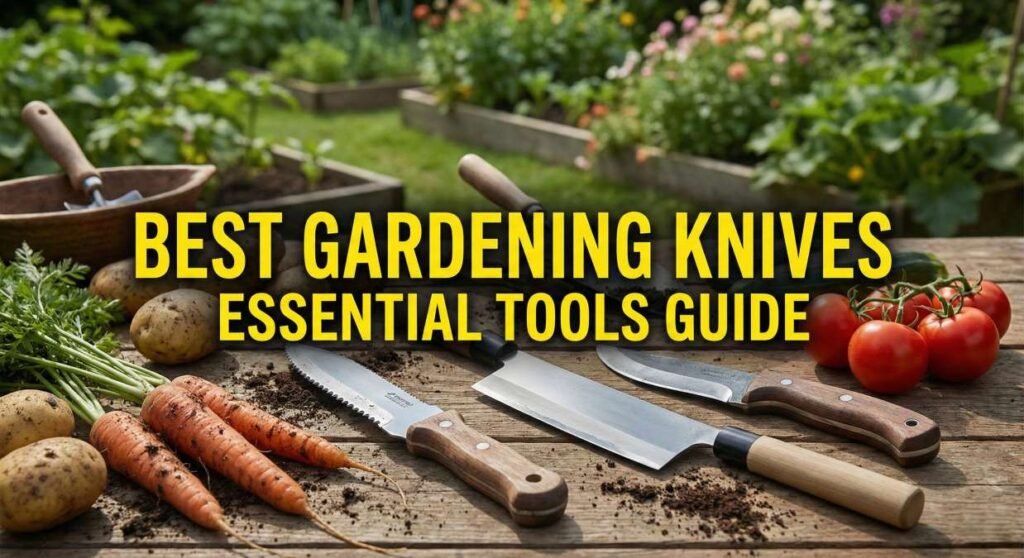
Gardening Knife Names and Essentials
By Saad
I want you to picture this thing that you’re knee-deep in your garden, wrestling with a stubborn weed root, when your dull kitchen knife bends like a sad pretzel. Or worse, you’re slicing a ripe tomato for a fresh salad, only to end up with a mushy mess because your blade just won’t cooperate. As someone who’s spent decades chronicling home hacks and outdoor pursuits in blogs, I’ve felt that frustration firsthand—it’s the kind that turns a relaxing hobby into a comedy of errors. But here’s the twist: knowing what a gardening knife is called and picking the right one can transform those moments into effortless triumphs. At thestrategicpost.com, we’ve dissected tools that blend function with finesse, drawing from patterns where the wrong gear leads to wasted time and sore hands. Whether you’re a newbie pondering “What is a gardening knife called?” or a seasoned pro eyeing the best for cutting vegetables, this guide uncovers the names, types, and real-world wisdom to equip your toolkit. Think of it as your shortcut to garden zen, where every cut counts and no tomato gets left behind.
Gardening Knife Names: From Hori Hori to Hobby Blades
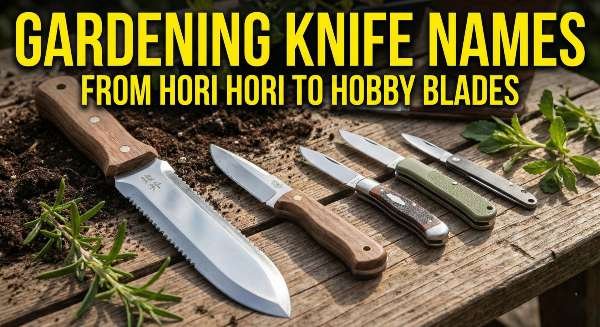
Gardening knives go by many names, each tied to their origins and uses, reflecting how humans have adapted tools to tame nature. The classic “gardening knife” is often synonymous with the Japanese “hori hori,” a term that mimics the digging sound it makes. I’ve used these in clay-heavy soils where a simple spade fails, and their serrated edge slices through roots like butter. But why do we have so many aliases? It boils down to cultural exchanges—immigrants brought designs from Europe and Asia, evolving them for American backyards. For instance, a “soil knife” is another common label, emphasizing its role in aeration and planting.
From my observations across community gardens, beginners often confuse these with kitchen tools, leading to quick wear. Start simple: if it’s multi-purpose with a pointed blade for digging and cutting, it’s likely a hori hori. Advanced users might seek specialized variants, like those with measurement markings on the blade for precise bulb planting. Humorously, I’ve seen folks wield them like mini swords against invasive vines—effective, but remember, they’re tools, not Excalibur.
What Is a Gardening Knife? Core Functions and Variations
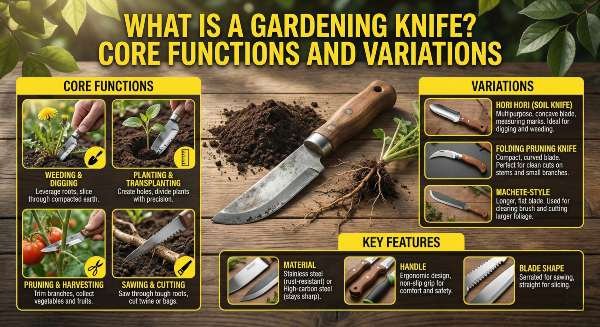
At its heart, a gardening knife is a handheld blade designed for tasks beyond mere slicing: weeding, transplanting, and harvesting. Unlike a chef’s knife, it’s built tough for dirt and debris, often with rust-resistant steel. Common types include the straight-edged for clean cuts and serrated for tougher jobs. In practice, I’ve found that a good one saves hours—picture dividing perennials without mangling roots.
For novices, begin with basics: hold it firmly, angle the blade downward for leverage. Avoid the mistake of forcing it into hard soil; soften the ground first with water. Seasonally, spring calls for lighter models for tender shoots, while fall demands heavier ones for root veggies. Advanced insight: pair it with a sheath for safety, as I’ve learned the hard way from a rogue blade in my pocket.
Exploring Specialized Knives: Vegetable, Bush, and Hobby Variants
Diving deeper, not all gardening knives are created equal—some shine in the veggie patch, others in wild overgrowth. A “vegetable knife” is typically called a nakiri in Japanese tradition, with its flat, rectangular blade perfect for chopping greens without bruising. I’ve diced mountains of carrots with one, noting how its thin edge glides through fibrous produce where bulkier knives falter.
Then there’s the “bush knife,” another name for a machete or bolo, ideal for clearing dense brush. In my trail-blazing days, these proved invaluable for hacking paths, but they’re overkill for delicate beds. Common pitfall: using them on small plants, which crushes rather than cuts—opt for precision instead.
Don’t overlook the “hobby knife,” often dubbed an X-Acto for fine crafts like grafting. It’s not for heavy duty, but in model gardens or bonsai, it’s a game-changer. Situational tip: in rainy seasons, choose stainless steel to dodge rust.
What Is a Bush Knife? And Its Synonyms in the Garden World
A bush knife, sometimes called a parang or cutlass, is a robust blade for vegetation control. Its curved edge excels at slashing, drawing from tropical farming roots where quick clears prevent overgrowth. From experience, they’re best for larger plots; in small yards, they feel cumbersome.
Another name? “Jungle knife” in some circles, highlighting survival vibes. Step-by-step for use: grip high for control, swing in arcs, follow with raking debris. Avoid swinging near feet—a lesson from a near-miss I once had. For urban gardeners, lighter versions suffice for seasonal pruning.
How to Choose a Garden Knife: Practical Steps and Insights
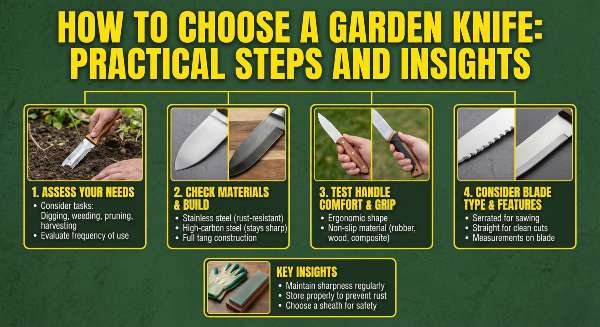
Selecting the right knife isn’t rocket science, but it hinges on your needs—I’ve tested dozens, spotting patterns where mismatches lead to buyer’s remorse. Start by assessing tasks: veggies need sharp, thin blades; bushes demand durability.
Step-by-step guide: 1) Measure hand size for ergonomic fit—too big, and it slips. 2) Check material: carbon steel sharpens easily but rusts; stainless endures weather. 3) Test weight: lighter for prolonged use, heavier for leverage. 4) Read reviews for real longevity, avoiding flashy gimmicks.
Common mistakes? Skipping maintenance—dull blades tear plants, inviting disease. Sharpen seasonally with a whetstone. Advanced: consider Monty Don’s picks, like his favored Opinel for clean snips, blending tradition with function.
Which Knife Is Best for Cutting Vegetables? Top Recommendations
For veggies, the nakiri reigns supreme, but a santoku offers versatility with its granton edges preventing sticking. In kitchens-turned-gardens, I’ve seen these outperform standard chef knives on tomatoes, where a serrated edge shines for easy piercing without squishing.
Best for tomatoes? A dedicated serrated model—glides through skin effortlessly. Tip: chill produce first for crisper cuts. Avoid forcing; let the blade do the work. Seasonally, summer harvests demand quick, clean tools to preserve freshness.
Beyond Knives: Related Garden Cutters and Tools
Garden cutters, known as secateurs or pruners, complement knives for thicker stems. Bypass types make clean cuts; anvil for deadwood. I’ve mixed them in routines, using knives for soil work and cutters for overhead branches.
Broadly, garden tools include rakes for leveling, hoes for weeding—names vary by region, but function unites them. Beginner error: overloading on gadgets; start with essentials. Advanced: integrate ergonomic designs to reduce strain during long sessions.
What Are Garden Cutters Called? And How They Pair with Knives
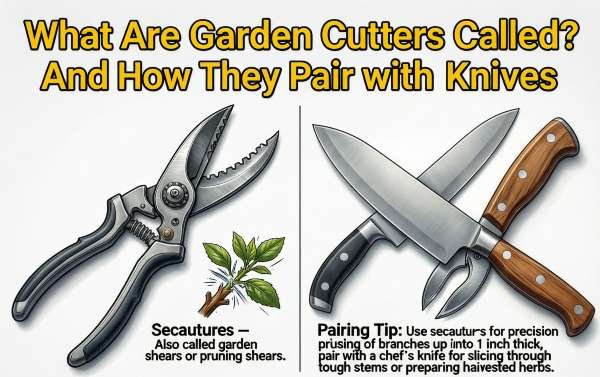
Secateurs lead the pack, but loppers handle bigger jobs. Pair a hori hori with bypass pruners for a dynamic duo—weeding below, trimming above. Practical: clean tools post-use to prevent spread of fungi. Humor alert: nothing’s funnier than a jammed cutter mid-prune—oil hinges regularly.
Conclusion: Mastering What a Gardening Knife Is Called for Lasting Garden Success
After years of digging into tool trends, I’ve seen how knowing what a gardening knife is called unlocks smarter choices, turning chaotic plots into thriving havens. From hori hori to nakiri, these blades aren’t just cutters—they’re extensions of your intent, shaped by human ingenuity to conquer nature’s quirks. Trust in quality picks; they’ll endure seasons, fostering growth without the fuss. Your garden’s story starts with the right tool in hand—wield it wisely for rewards that last.
FAQs
What is a gardening knife called? Often referred to as a hori hori or soil knife, it’s a versatile tool for digging and cutting in the garden.
What is the best gardening knife? The Nisaku hori hori stands out for its durability and multi-functionality, ideal for weeding and planting.
What is a vegetable knife called? A nakiri is the traditional Japanese name for a knife designed specifically for chopping vegetables.
Which knife is best for cutting vegetables? A santoku or nakiri excels, with thin blades that slice cleanly without bruising produce.
What is a bush knife? A robust blade for clearing vegetation, also known as a machete or bolo in various regions.
Why are garden cutters called secateurs? Secateurs is the British term for pruning shears, used for trimming stems and branches.
#GardeningKnife #HoriHori #VegetableKnife #BushKnife #GardenTools
🔪 Gardening Knives Knowledge Quiz
Test Your Knowledge of Garden Tools & Blades!