
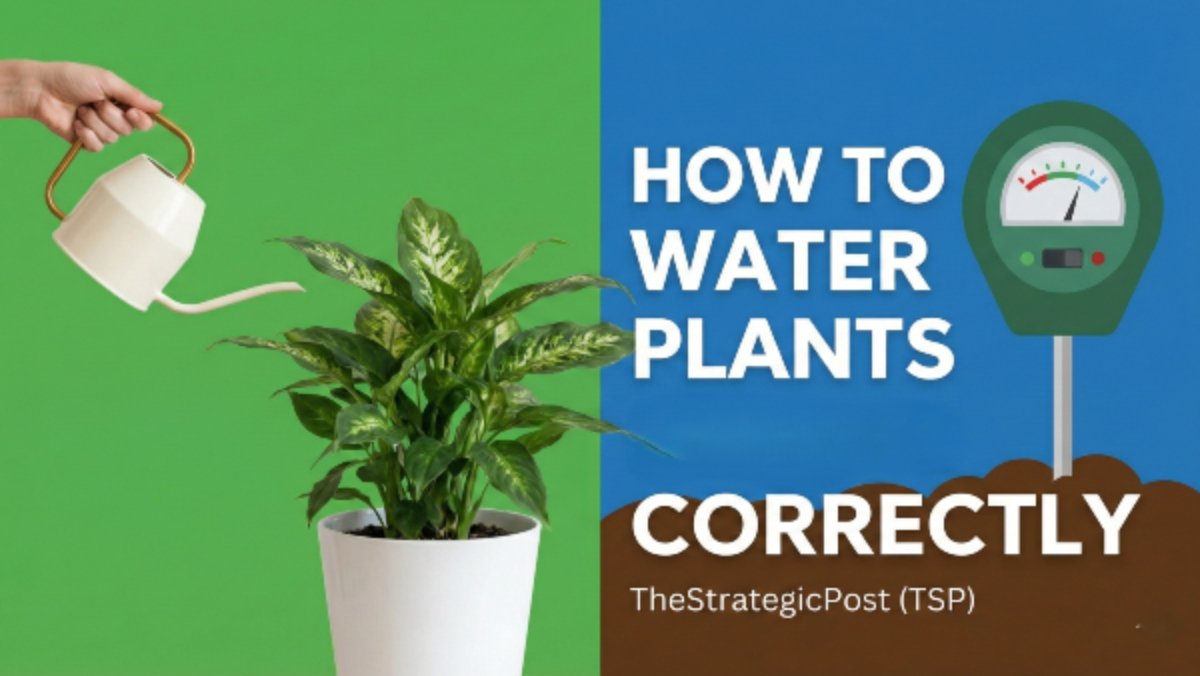
Mastering the Art of Watering Houseplants: A Simple Guide for Thriving Greens
Written By Saad Date:6/12/25
How to water plants correctly : Ah, watering plants—it’s one of those everyday tasks that sounds straightforward but can make or break your indoor jungle. Overdo it, and you’re dealing with root rot; skimp on it, and those leaves start wilting like forgotten salads. With the popularity of houseplants surging in 2025 (thanks to biophilic design trends and our endless quest for home zen), getting it right has never been more essential. Whether you’re nurturing a fiddle leaf fig or a resilient pothos, the key is observation over obsession—no rigid schedules here. Drawing from expert advice, let’s break it down step by step so your plants can flourish without the guesswork.
Step 1: Know When to Water—Listen to Your Plant, Not the Calendar
The golden rule? Water only when the soil is dry, not on a fixed day. Plants aren’t clocks; their thirst varies with light, humidity, and season. In winter, for instance, they sip less as growth slows.
- The Finger Test: Stick your index finger into the soil up to the first knuckle (about 1 inch for most plants, 2 inches for succulents like aloe). If it feels dry, it’s go time. This simple hack checks where the roots live, not just the surface.
- The Pot Weigh-In: Lift the pot after watering—note its heft. When it’s noticeably lighter, the soil has dried out enough. Great for larger floor plants where digging in feels awkward.
- Moisture Meter for Precision: If you’re tech-inclined, grab an inexpensive soil probe. It gives a quick read without the mess, especially useful for deep pots.
Pro tip: Morning watering is ideal—it gives leaves time to dry, reducing fungal risks. And always factor in your space: Plants near sunny windows or heaters dry out faster, while bathroom dwellers (hello, high humidity) can wait longer.
Step 2: How to Water Effectively—Technique Matters
Once you’ve confirmed it’s time, focus on even, thorough hydration. The goal? Moist soil like a wrung-out sponge—damp, not soggy.
- Top Watering (The Classic Method): Use a can with a long spout to pour slowly around the base, soaking the entire soil surface until water trickles from the drainage holes. Empty the saucer after 30 minutes to prevent root sitting in water. This mimics rain and encourages roots to grow downward.
- Bottom Watering (For Delicate Types): For plants hating wet foliage (like African violets), set the pot in a shallow tray of water for 20-30 minutes. Let capillary action pull moisture up, then drain excess. It’s gentler and reduces overwatering risks.
- Water Quality Counts: Room-temperature tap water is fine for most, but let it sit overnight to off-gas chlorine, which can stress sensitive species. Filtered or rainwater? Even better for ferns or orchids. Skip ice cubes—they’re too cold and uneven.
Aim to water deeply but infrequently. A quick splash every few days leads to shallow roots and weak plants.
Tailoring to Plant Types: Not All Greens Are Created Equal
Your snake plant won’t thank you for the same treatment as a thirsty monstera. Match method to needs:
- Succulents and Cacti: Drought-tolerant stars—wait until soil is bone-dry (every 2-3 weeks). Use well-draining soil and pots with holes to avoid rot.
- Tropicals (e.g., Philodendrons, Peace Lilies): Love consistent moisture but hate soggy feet. Water when the top inch dries, and mist leaves weekly for humidity boosts.
- Ferns and Calatheas: Humidity queens—bottom water and group with a pebble tray for evaporation. Keep soil lightly moist, like a wrung sponge.
- Herbs (Basil, Mint): Treat like outdoor pals—water when topsoil dries, but ensure good airflow to fend off mold.
In 2025, with smart pots and apps tracking soil pH, it’s easier than ever to customize. But start simple: Observe leaf cues. Droopy but bouncy? Thirsty. Yellowing lower leaves? Possible overwatering.
Common Mistakes to Avoid: Lessons from Plant Parents Everywhere
Even pros slip up—here’s how to sidestep the pitfalls:
- Overwatering Overkill: The #1 killer. Signs include yellow leaves, mushy stems, or a musty smell. Solution: Better drainage and the finger test.
- Cold Shock: Frigid water from the tap can stun roots. Always temper it to room temp.
- Uneven Pouring: Watering one spot starves outer roots. Circle the base for full coverage.
- Ignoring Environment: Drafty vents or dry winter air amp up evaporation. Relocate or use a humidifier.
Bottom line: Less is often more. Healthy plants forgive minor errors, but consistency builds resilience.
Quick FAQs on Watering Woes
- How often should I water? It depends—every 5-7 days for most indoors, but check soil first, not the clock.
- What if my plant’s leaves turn brown? Could be underwatering (crispy edges) or over (soft tips). Adjust and trim affected parts.
- Can I use shower water? Yes, if it’s not too hard—great for tropicals craving that humidity hit.
- Self-Watering Pots: Worth It? Handy for forgetful folks, but monitor to avoid constant wetness.
Watering well isn’t about perfection; it’s about attuning to your plants’ subtle signals. Next time you’re in your green space, pause and poke that soil—your fronds will perk up in gratitude. Got a finicky ficus story? Share below; I’d love to hear how these tips land for you. Happy growing!
Sources
For deeper dives:
- The Old Farmer’s Almanac: How to Water Houseplants
- Joy Us Garden: Guide to Watering Indoor Plants
- Missouri Botanical Garden: Indoor Plant Watering Tips
- Accent Decor: Expert Watering Dos and Don’ts