
Health Care Fraud: Understanding the Threat, Its Impact, and How to Prevent It
Introduction
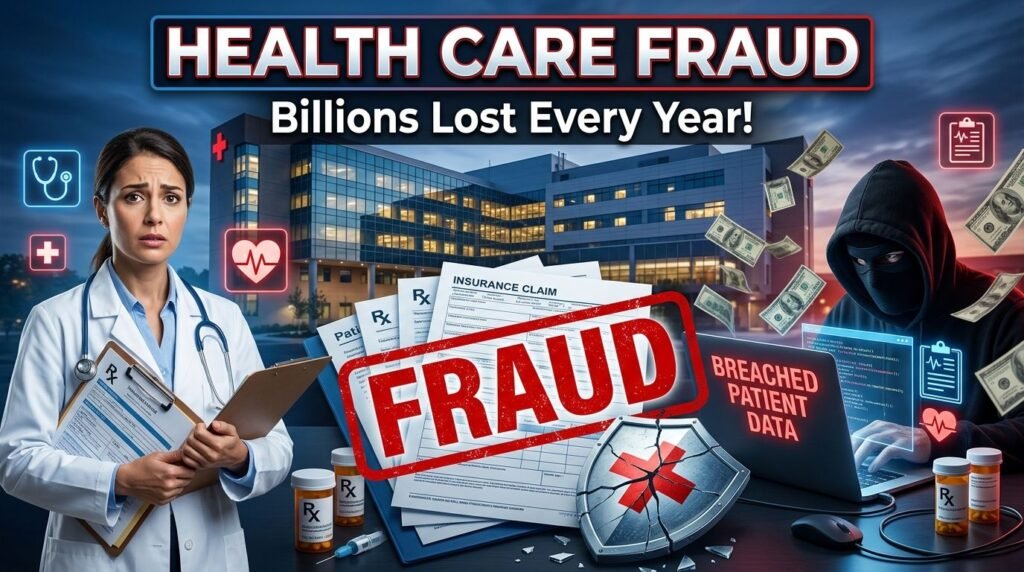
Health care fraud is a serious global problem that affects patients, medical professionals, insurance companies, and governments. It occurs when an individual or organization intentionally deceives a health care system to obtain unauthorized financial benefits. Every year, billions of dollars are lost due to fraudulent activities, increasing medical costs and reducing the quality of patient care.
Health care fraud is not a victimless crime. It can lead to delayed treatments, inaccurate medical records, unnecessary procedures, and even life-threatening situations for patients. As health care systems become more digitalized, fraudsters continue to develop sophisticated methods to exploit weaknesses within hospitals, insurance companies, and government-funded programs.
Understanding how health care fraud works is essential for both professionals and the public to protect themselves and ensure that medical resources are used appropriately.
What Is Health Care Fraud?
Health care fraud is the intentional act of providing false information, misrepresenting facts, or deceiving a health care system to receive payments, services, or benefits that are not legally deserved.
Fraud can be committed by various individuals, including:
- Doctors and physicians
- Nurses and medical staff
- Hospital administrators
- Pharmacists
- Insurance companies
- Medical equipment suppliers
- Patients
- Organized criminal groups
The primary objective of health care fraud is financial gain.
Common Types of Health Care Fraud
Billing for Services Not Provided
This is one of the most common forms of fraud. A health care provider submits claims to insurance companies for procedures or treatments that never took place.
Examples include:
- Charging for appointments that patients never attended.
- Billing for laboratory tests that were never performed.
- Charging for surgeries that never occurred.
Upcoding
Upcoding occurs when a provider bills for a more expensive procedure than the one actually performed.
For example:
A simple consultation may be reported as an advanced specialist consultation to receive higher reimbursement.
Duplicate Billing
Duplicate billing involves charging multiple times for the same service.
Examples include:
- Sending the same claim repeatedly.
- Billing different insurance companies for a single treatment.
Unnecessary Medical Procedures
Some providers intentionally prescribe unnecessary tests, surgeries, or treatments to increase revenue.
Examples include:
- Ordering excessive imaging scans.
- Conducting unnecessary blood tests.
- Recommending surgeries without medical necessity.
Prescription Drug Fraud
Prescription fraud involves illegally obtaining or distributing medications.
Examples include:
- Forging prescriptions.
- Stealing prescription pads.
- Selling prescription drugs illegally.
- Creating fake patients to obtain medications.
Identity Theft
Medical identity theft occurs when someone uses another person’s personal information to receive medical services or submit insurance claims.
Stolen information may include:
- Health insurance numbers
- National identification numbers
- Personal health records
Kickback Schemes
Kickbacks involve offering money, gifts, or incentives in exchange for patient referrals.
Examples include:
- Doctors receiving payments for referring patients to certain laboratories.
- Medical suppliers paying physicians to prescribe their products.
Fake Medical Equipment Claims
Fraudsters may bill insurance providers for expensive equipment that patients never receive.
Examples include:
- Wheelchairs
- Oxygen tanks
- Orthopedic devices
- Home medical equipment
Causes of Health Care Fraud
Several factors contribute to health care fraud.
Complex Health Care Systems
Modern health care systems involve multiple parties, including providers, insurers, pharmacies, and government agencies, creating opportunities for exploitation.
Large Financial Transactions
Billions of dollars flow through health care systems annually, making them attractive targets for criminals.
Weak Oversight
Inadequate auditing and poor internal controls allow fraudulent activities to remain undetected.
Digital Vulnerabilities
Electronic medical records and online insurance systems can be vulnerable to cybercriminals.
Lack of Public Awareness
Many patients do not carefully review their medical bills or insurance statements.
Warning Signs of Health Care Fraud
Patients should watch for several red flags.
Common warning signs include:
- Receiving bills for treatments never received.
- Being charged for multiple identical services.
- Pressure to undergo unnecessary tests.
- Requests to share insurance information with strangers.
- Offers of free medical services in exchange for personal information.
- Unexpected notifications from insurance providers.
The Impact of Health Care Fraud
Health care fraud creates serious consequences across society.
Increased Health Care Costs
Fraudulent claims force insurance companies to raise premiums, increasing costs for everyone.
Reduced Quality of Patient Care
Unnecessary treatments expose patients to health risks and may delay legitimate medical care.
Financial Losses
Governments and private insurers lose billions of dollars annually.
Damaged Medical Records
False information can become permanently attached to a patient’s health history.
Loss of Public Trust
Fraud reduces confidence in health care institutions and professionals.
Health Care Fraud Around the World
Health care fraud affects both developed and developing countries.
In many countries, fraudulent activities target:
- Public health insurance programs
- Government-funded hospitals
- Private insurance companies
- Telemedicine services
International criminal networks increasingly use technology to conduct fraud across borders.
The Role of Technology in Health Care Fraud
Technology has created both opportunities and challenges.
Digital Fraud Techniques
Fraudsters may use:
- Phishing emails
- Data breaches
- Ransomware attacks
- Fake telemedicine services
- Stolen patient databases
Artificial Intelligence and Fraud Detection
Organizations are now using artificial intelligence to identify suspicious activities.
AI systems can:
- Detect unusual billing patterns.
- Identify duplicate claims.
- Monitor provider behavior.
- Flag suspicious transactions.
How Patients Can Protect Themselves
Patients play an important role in preventing fraud.
Review Medical Bills Carefully
Always verify:
- Dates of service
- Treatments performed
- Charges listed
Protect Personal Information
Never share:
- Insurance numbers
- Passwords
- Medical records
- Identification documents with untrusted sources
Monitor Insurance Statements
Regularly review insurance activity for unauthorized claims.
Ask Questions
If a doctor recommends expensive procedures, ask why they are necessary.
Report Suspicious Activity
Immediately report any unusual charges or suspicious behavior.
How Health Care Organizations Can Prevent Fraud
Health care institutions can implement several strategies.
Conduct Regular Audits
Frequent audits help identify unusual billing activities.
Employee Training
Staff should receive ongoing fraud prevention education.
Strengthen Cybersecurity
Organizations should implement:
- Multi-factor authentication
- Data encryption
- Secure networks
- Regular security updates
Use Advanced Analytics
Data analysis can quickly identify suspicious patterns.
Establish Reporting Systems
Anonymous reporting channels encourage employees to report misconduct.
Legal Consequences of Health Care Fraud
Health care fraud is a serious criminal offense in many countries.
Potential penalties include:
- Heavy financial fines
- Prison sentences
- Loss of professional licenses
- Permanent criminal records
- Civil lawsuits
Health care providers found guilty may also be banned from participating in government health programs.
The Future of Health Care Fraud Prevention
The fight against health care fraud will increasingly rely on technology and international cooperation.
Future strategies may include:
- Artificial intelligence monitoring systems
- Blockchain-based medical records
- Stronger cybersecurity frameworks
- Global information sharing
- Improved patient education programs
As digital health care expands, prevention efforts must evolve to stay ahead of sophisticated fraud schemes.
Conclusion
Health care fraud is a growing global challenge that affects every part of the medical industry. It increases costs, compromises patient safety, and weakens trust in health care systems. While governments and organizations continue to strengthen regulations and security measures, public awareness remains one of the most effective defenses.
Patients, providers, insurers, and regulators all share responsibility for preventing fraud. By staying informed, protecting personal information, reviewing medical records carefully, and reporting suspicious activities, society can reduce the financial and human costs associated with health care fraud and ensure that medical resources reach those who truly need them.