By Saad
Introduction
Let’s be honest: most of us have killed a plant or ten with too much love. I’ve done it myself—drowning a perfectly happy fiddle leaf fig because I thought “daily sips” sounded caring. Spoiler: it wasn’t. Overwatering is the silent assassin of houseplants, and I’ve written about it more times than I can count across hundreds of gardening articles.
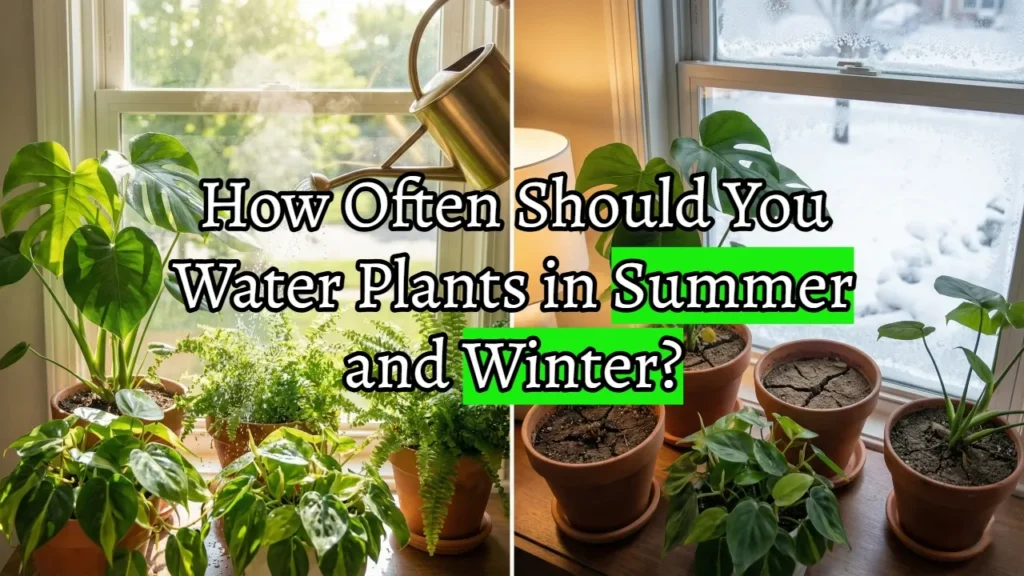
The truth is, there’s no universal calendar that says “water every Tuesday.” How often should you water plants in summer and winter depends entirely on the season, the plant, the environment, and—most importantly—how the soil actually feels. Summer demands vigilance as heat sucks moisture out faster than you can refill your watering can. Winter? Plants basically go into hibernation mode and sip like they’re on a cleanse.
In this guide, I’ll walk you through everything I’ve learned from years of researching, interviewing master gardeners, and yes, rescuing my own over-loved plants. You’ll get clear, practical advice that works for beginners and seasoned growers alike.
Why Seasonal Watering Matters
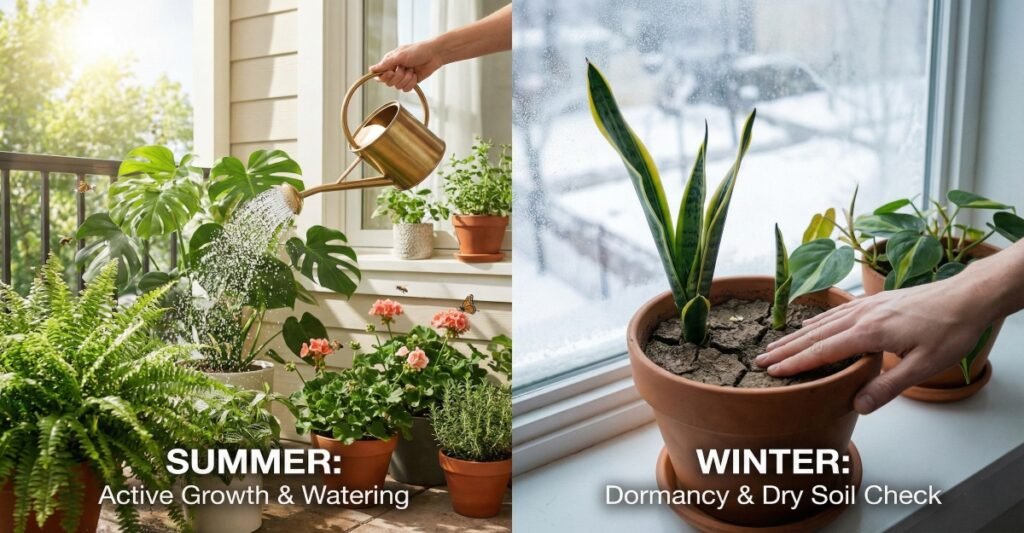
Plants aren’t static decorations. They’re living things responding to light, temperature, and humidity. In summer, longer days and higher temperatures speed up photosynthesis and evaporation. Transpiration—the plant’s version of sweating—goes into overdrive. Result? Thirstier plants.
Come winter, shorter days and cooler temperatures slow growth. Many plants enter dormancy, meaning they use far less water. Indoor heating can complicate things by drying the air, but overall demand drops dramatically. Get this balance wrong, and you risk root rot in winter or wilted leaves in summer.
Key Factors That Affect Watering Frequency
Before we dive into seasonal schedules, understand what actually drives a plant’s thirst:
- Plant type: Succulents and cacti store water; tropicals like peace lilies crave constant moisture.
- Pot size and material: Small pots and porous terracotta dry out fast. Large plastic pots hold moisture longer.
- Soil mix: Well-draining potting soil dries quicker than heavy garden soil.
- Light exposure: Bright direct sun = faster drying.
- Humidity and temperature: Dry indoor air in winter (or air-conditioned summer rooms) increases evaporation.
- Indoor vs. outdoor: Outdoor plants deal with rain, wind, and extreme temps; indoor ones rely entirely on you.
The golden rule? Always check the soil before watering. More on that next.
How to Check If Your Plant Needs Water (The Tests That Actually Work)

Forget rigid schedules. These simple checks have saved countless plants in my readers’ homes:
- The finger test — Stick your index finger 1–2 inches into the soil. Dry? Time to water. Slightly damp? Wait.
- Lift the pot — Lightweight = dry. Heavy = still moist. You’ll get a feel for this quickly.
- Wooden chopstick trick — Insert a clean chopstick. Pull it out—if soil clings, wait; if clean and dry, water.
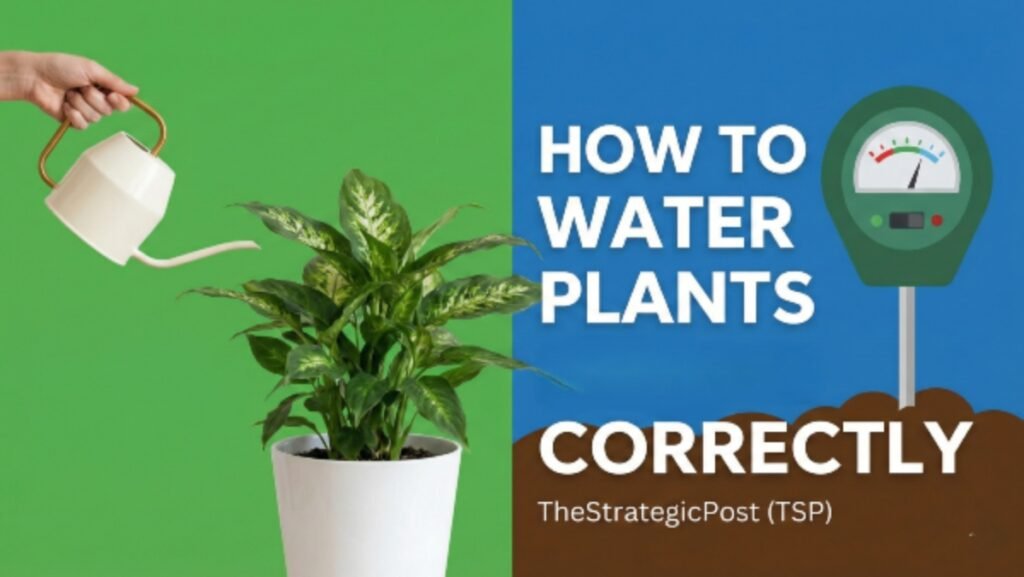
- Moisture meter — Affordable gadget that removes guesswork (great for beginners).
Pro tip: For large pots, check multiple spots—surface soil can dry while deeper layers stay wet.
How Often Should You Water Plants in Summer?
Summer is peak thirst season. Heat, longer days, and often lower indoor humidity mean faster drying.
Indoor Houseplants in Summer
Most tropical houseplants need watering every 5–10 days. Containers in bright light or near AC vents may need it every 3–5 days. I once had a monstera in a south-facing window that drank weekly in July—same plant needed water only monthly in January.
Succulents and cacti? Every 2–3 weeks is plenty, even in heat.
Outdoor Plants and Gardens in Summer
Containers and hanging baskets often need daily watering in extreme heat—sometimes twice if over 90°F. In-ground gardens and raised beds do better with deep watering 2–3 times per week (about 1 inch total).
Vegetables like tomatoes and cucumbers love consistent moisture—aim for soil that stays lightly damp but never soggy.
Morning watering is best: it gives leaves time to dry and reduces disease risk.
How Often Should You Water Plants in Winter?
Winter is the season of restraint. Plants grow slowly or not at all, and cooler temps mean less evaporation.
Indoor Houseplants in Winter
This is where most mistakes happen. With reduced light and growth, most houseplants need water only every 2–4 weeks. Some succulents can go 6–8 weeks without a drop.
I’ve seen readers panic when their snake plant “looks dry” in December—only to realize it was perfectly happy. Err on the side of underwatering in winter; root rot thrives in cold, wet soil.
Outdoor Plants in Winter
Established perennials and shrubs usually need no supplemental water unless you’re in a dry climate with frozen ground. Newly planted trees and shrubs benefit from occasional deep watering on thaw days.
Evergreens can suffer winter burn if soil freezes dry—water well in fall to prevent this.
Plant-Specific Watering Guidelines
Here’s a quick reference for popular types:
- Fiddle leaf figs, monsteras, calatheas: Weekly in summer, every 2–3 weeks in winter.
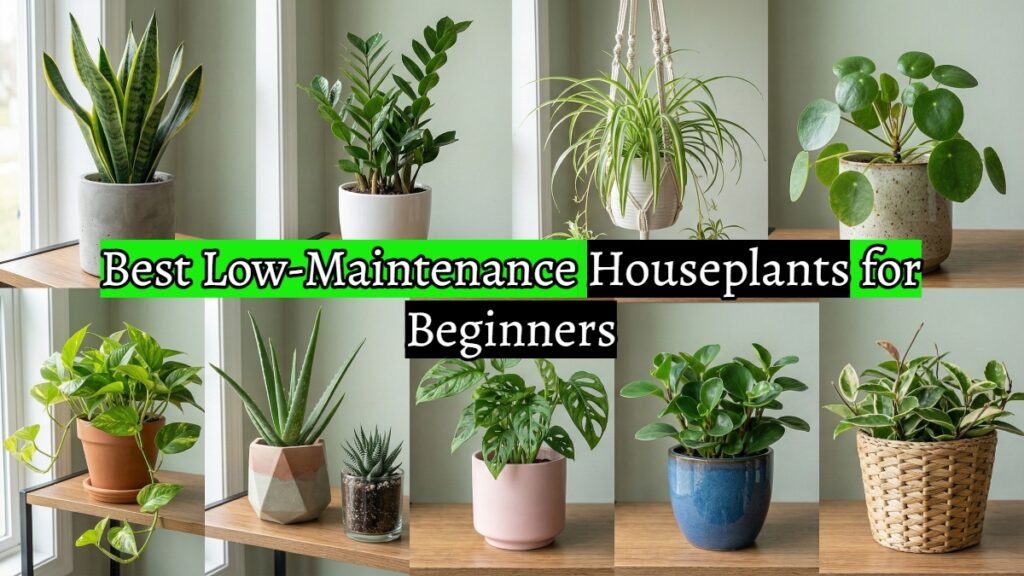
- Snake plants, ZZ plants, pothos: Every 2 weeks summer, 4–6 weeks winter.
- Succulents and cacti: Every 2–3 weeks summer, monthly (or less) winter.
- Peace lilies: When leaves droop slightly—don’t wait for full drama.
- Orchids (phalaenopsis): Weekly ice cube method works for many in summer; every 2 weeks winter.
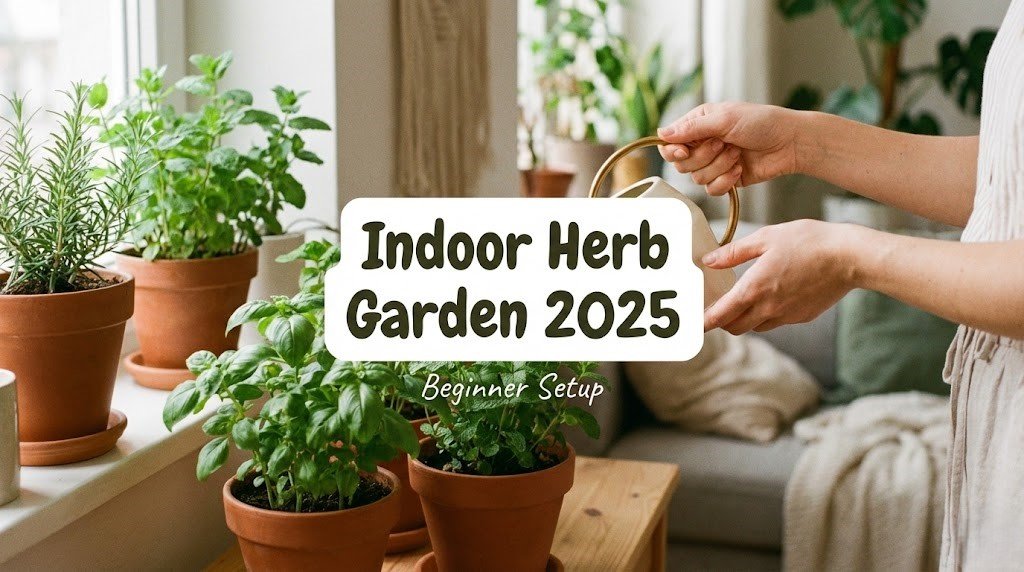
- Herbs (basil, mint): Keep evenly moist summer; let dry slightly winter.
Common Watering Mistakes (And How to Fix Them)
- Watering on a fixed schedule — Plants don’t read calendars. Check soil instead.
- Using cold tap water — Shock sensitive roots. Let water sit overnight to reach room temp.
- Small, frequent waterings — Leads to shallow roots. Water deeply but less often.
- Ignoring drainage — No holes in pot = death sentence. Always use saucers but empty them.
- Overwatering in winter — The #1 killer. When in doubt, wait.
Pro Tips from Real-World Experience
- Mulch outdoor beds—it’s a game-changer for moisture retention.
- Group plants by water needs (thirsty together, drought-tolerant together).
- Bottom-water sensitive plants (African violets hate wet leaves).
- Use rainwater or distilled when possible—tap water minerals build up over time.
- In summer, move thirsty plants to morning sun to reduce stress.
- Invest in self-watering pots for vacations—they’ve saved many of my readers’ collections.
FAQs
1. How often should I water indoor plants in winter?
Most houseplants need water every 2–4 weeks in winter, depending on light and humidity. Always check soil first.
2. What are signs of overwatering plants?
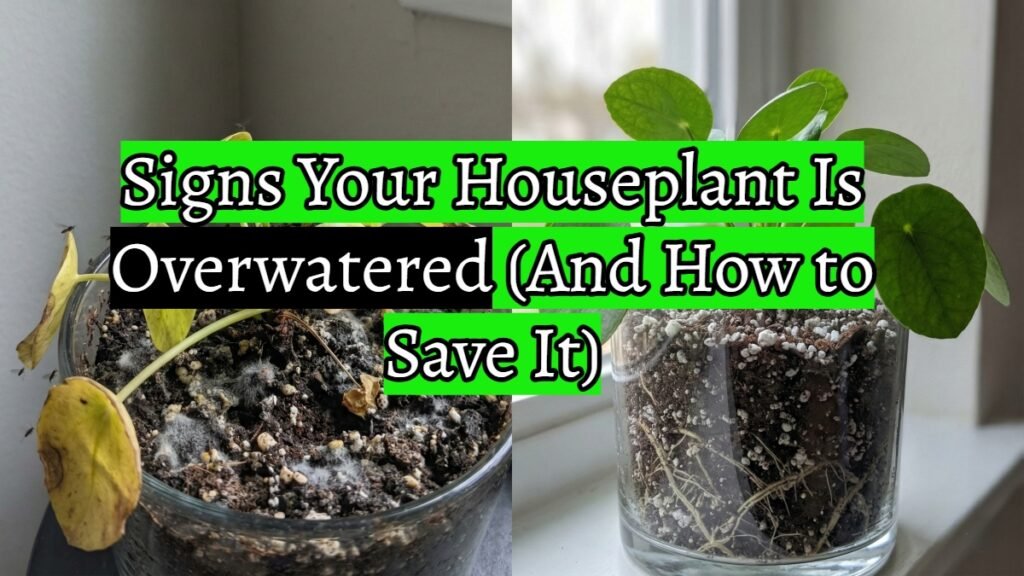
Yellowing lower leaves, mushy stems, fungus gnats, and foul-smelling soil are classic red flags.
3. How often should you water outdoor plants in summer?
Containers may need daily watering in heat; in-ground gardens typically 2–3 deep waterings per week.
4. Can you underwater plants in winter?
Rarely a problem indoors—most issues come from too much water. Outdoor dormant plants usually survive fine.
5. When is the best time to water plants in summer?
Early morning—so leaves dry before evening, reducing disease risk.
6. How do I know if my plant is thirsty or drowning?
Thirsty: Dry soil, drooping leaves that perk after watering. Drowning: Soggy soil, yellow leaves, soft stems.
7. Do succulents need different watering in summer vs winter?
Yes—every 2–3 weeks in summer, monthly or less in winter.
8. Should I reduce watering when I bring outdoor plants inside for winter?
Absolutely. Indoor conditions usually mean dramatically less water needed.
Conclusion
Mastering how often should you water plants in summer and winter comes down to one habit: observing your plants instead of following a rigid rule. Summer demands generosity and vigilance; winter calls for restraint and patience. Get these rhythms right, and your plants won’t just survive—they’ll thrive.
After writing thousands of articles on gardening, I can tell you this with confidence: the most beautiful collections belong to people who listen to their plants. Start with the finger test today, adjust for the season, and watch your green friends reward you with growth and gratitude.
Happy watering (but not too much)!
External Sources
- https://www.rhs.org.uk/garden-jobs/watering (Royal Horticultural Society watering advice)
- https://www.almanac.com/when-water-your-vegetable-garden-watering-chart (Old Farmer’s Almanac watering guide)
- https://mortonarb.org/blog/proper-watering-keeps-plants-healthy/ (Morton Arboretum proper watering)
- https://www.gardena.com/int/c/discover/gardening/magazine/10-golden-rules-for-watering (Gardena 10 golden rules)
- https://www.thespruce.com/how-often-to-water-outdoor-plants-6750808 (The Spruce outdoor watering)
💧 Seasonal Watering Knowledge Quiz 💧
Can you keep your plants alive all year round?