

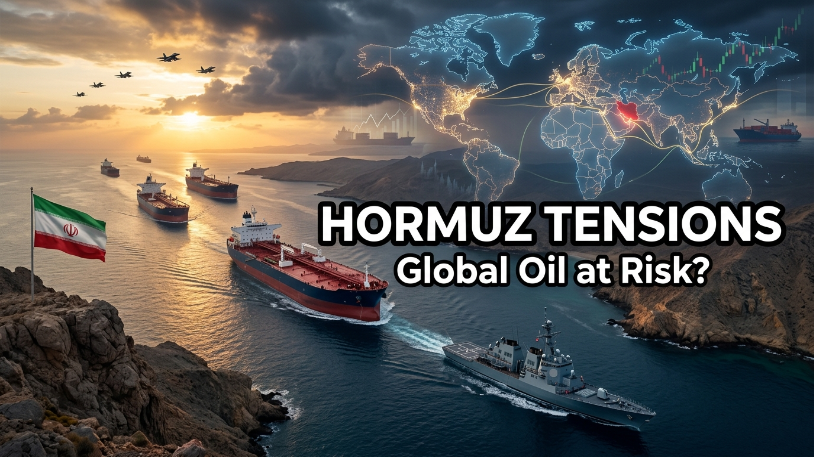
Ongoing International Diplomatic Focus on Iran and the Strait of Hormuz
The Strait of Hormuz has long been one of the world’s most strategically important waterways, and its significance continues to grow as international attention remains focused on Iran and regional security. Every diplomatic statement, naval deployment, or negotiation involving Iran has the potential to influence global energy markets, international trade, and geopolitical stability.
Governments across North America, Europe, Asia, and the Middle East closely monitor developments surrounding the Strait because roughly one-fifth of the world’s oil shipments pass through this narrow passage. Any disruption—even temporary—can affect fuel prices, shipping costs, financial markets, and supply chains worldwide.
Understanding why the international community continues to prioritize diplomacy with Iran is essential for anyone following global politics, energy security, or economic trends. This article explains why the Strait of Hormuz matters, how diplomatic efforts shape regional stability, and what future developments could mean for businesses, consumers, and governments.
Why the Strait of Hormuz Matters
The Strait of Hormuz connects the Persian Gulf with the Gulf of Oman and the Arabian Sea. Despite being only a narrow shipping corridor, it serves as one of the busiest maritime trade routes on Earth.
Several major energy-producing countries—including Saudi Arabia, Iraq, Kuwait, Qatar, the United Arab Emirates, and Iran—depend on this passage to export oil, liquefied natural gas (LNG), and petroleum products to international markets.
Because global energy demand remains high, uninterrupted shipping through the Strait is considered essential for the stability of the world economy.
Key Reasons for Its Importance
- One of the world’s busiest oil transportation routes
- Critical pathway for LNG exports
- Vital shipping corridor connecting Gulf producers with international markets
- Significant influence on global energy pricing
- Strategic military and geopolitical importance
Even minor tensions in the region often receive international media coverage because investors and governments understand how quickly uncertainty can influence markets.
Why Iran Remains at the Center of Diplomatic Discussions
Iran occupies a unique geopolitical position because it borders the Strait of Hormuz and plays a major role in Middle Eastern politics.
Over the years, international diplomacy involving Iran has focused on several interconnected issues, including:
Regional Security
Many countries seek to reduce military tensions across the Gulf region. Diplomatic engagement helps lower the risk of accidental escalation while encouraging communication between regional powers.
Nuclear Negotiations
Iran’s nuclear program continues to be an important subject of international diplomacy. Discussions involving global powers often influence broader regional relations and investor confidence.
Maritime Security
Ensuring the safety of commercial vessels remains a top priority. International cooperation aims to protect shipping lanes from potential disruptions while maintaining freedom of navigation under international law.
Economic Sanctions
Sanctions imposed by various countries have significantly affected Iran’s economy. Diplomatic negotiations frequently explore pathways for easing tensions while balancing security concerns.
Why the International Community Prefers Diplomacy
Diplomacy remains the preferred option because military conflict would carry enormous economic and humanitarian costs.
Successful diplomatic engagement can help:
- Reduce regional instability
- Protect commercial shipping
- Maintain global energy supplies
- Encourage economic cooperation
- Lower risks for international businesses
- Improve humanitarian conditions
Even when negotiations progress slowly, maintaining communication channels often helps prevent misunderstandings that could escalate into larger crises.
How the Strait of Hormuz Influences Global Oil Prices
Energy markets react quickly to geopolitical uncertainty.
Whenever tensions increase around the Strait of Hormuz, traders often anticipate possible supply disruptions. Even if exports continue normally, expectations alone can contribute to temporary increases in oil prices.
Higher oil prices can eventually influence:
- Fuel costs
- Airline ticket prices
- Shipping expenses
- Manufacturing costs
- Food transportation
- Inflation
Because nearly every industry relies on transportation, energy market volatility can affect consumers far beyond the Middle East.
The Economic Impact Beyond Oil
Although crude oil receives most of the attention, the Strait also supports global trade in numerous other sectors.
These include:
Liquefied Natural Gas (LNG)
Countries that import LNG closely monitor Gulf stability because supply interruptions could affect electricity generation and industrial production.
Consumer Goods
Higher shipping insurance premiums and transportation costs may increase prices for imported products worldwide.
Financial Markets
Stock markets often react to geopolitical developments. Investors typically seek safer assets during periods of heightened uncertainty.
Global Supply Chains
Modern supply chains depend on predictable shipping routes. Any disruption can create delays that affect industries ranging from automotive manufacturing to consumer electronics.
The Role of Major Global Powers
Several countries remain actively involved in diplomatic efforts surrounding Iran and the Strait of Hormuz.
United States
The United States continues to prioritize maritime security, regional partnerships, and freedom of navigation while supporting diplomatic initiatives aimed at reducing tensions.
European Nations
Many European governments encourage dialogue and negotiations while balancing security concerns with economic interests.
China
As one of the world’s largest energy importers, China has a strong interest in maintaining stable shipping routes and uninterrupted energy supplies.
India, Japan, and South Korea
These major Asian economies rely heavily on Gulf energy exports, making regional stability an important national interest.
Regional Cooperation Is Becoming More Important
In recent years, diplomatic initiatives among Middle Eastern countries have increasingly emphasized dialogue, economic cooperation, and conflict prevention.
Regional engagement can produce several long-term benefits:
- Increased investor confidence
- Expanded trade opportunities
- Greater energy security
- Improved diplomatic communication
- Lower military risks
While disagreements remain, sustained diplomatic engagement creates opportunities for peaceful solutions.
Challenges Facing Diplomacy
Despite ongoing discussions, several obstacles continue to complicate negotiations.
Political Differences
Countries often approach security issues from different strategic perspectives, making consensus difficult.
Economic Pressure
Sanctions, inflation, and domestic economic concerns influence negotiating positions.
Security Concerns
Military incidents, cyber activity, and regional conflicts can quickly increase tensions.
Public Opinion
Governments must also consider domestic political expectations when making diplomatic decisions.
These challenges explain why negotiations often require patience and multiple rounds of discussion.
Possible Future Scenarios
Although predicting geopolitical developments is impossible, analysts generally consider several possible paths.
Continued Diplomatic Progress
Regular negotiations could gradually reduce tensions and strengthen regional cooperation.
Periodic Tensions with Ongoing Dialogue
Temporary disagreements may continue, but communication channels remain open to avoid escalation.
Increased Economic Cooperation
Regional trade initiatives and infrastructure investment could encourage greater stability over time.
Unexpected Escalation
Any significant military incident could quickly influence energy markets and international diplomacy, highlighting the importance of crisis management mechanisms.
What Businesses and Investors Should Watch
Companies operating internationally often monitor several indicators:
- Diplomatic meetings
- Shipping activity
- Energy market trends
- International sanctions
- Regional security developments
- Insurance costs for maritime transport
Businesses that understand geopolitical developments are generally better prepared to manage supply chain risks and market volatility.
Why This Issue Matters to Everyday Consumers
Many people assume geopolitical events only affect governments, but the consequences often reach households around the world.
Changes in energy prices can influence:
- Gasoline and diesel prices
- Electricity costs
- Airline fares
- Grocery prices
- Online shopping delivery expenses
- Manufacturing costs
Because the global economy is interconnected, developments around the Strait of Hormuz can indirectly affect everyday spending in countries thousands of miles away.
Conclusion
The ongoing international diplomatic focus on Iran and the Strait of Hormuz reflects the immense strategic importance of one of the world’s most critical maritime corridors. As governments work to balance security concerns, economic interests, and regional stability, diplomacy remains the most effective tool for reducing uncertainty and protecting global trade.
While challenges continue to shape negotiations, sustained diplomatic engagement offers the best opportunity to maintain stable energy markets, safeguard international shipping, and encourage long-term regional cooperation. For businesses, investors, policymakers, and everyday consumers, understanding developments surrounding Iran and the Strait of Hormuz provides valuable insight into broader trends affecting the global economy and international relations.
As geopolitical dynamics continue to evolve, staying informed about diplomatic initiatives and regional developments will remain essential for understanding how events in the Gulf influence markets and global stability.