

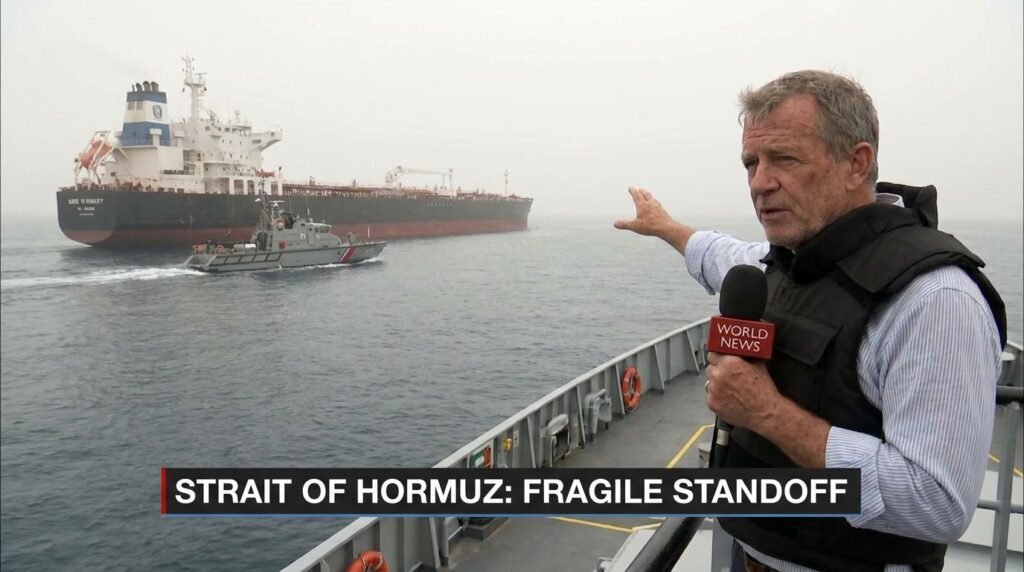
Strait of Hormuz
The Fragile Chokepoint
Inside the Fragile Standoff Still Rattling Global Oil Markets
Ships are still being hit. Mines remain a threat. The ceasefire is holding — barely.
If you’ve been half-following headlines about the Strait of Hormuz over the past several months, here’s the short version of where things stand: a war that erupted between the United States, Israel, and Iran in late February 2026 turned this narrow stretch of water into the most contested shipping lane on the planet, and even now, with a ceasefire technically in place, tankers are still getting hit by missiles and nobody in the shipping industry is fully exhaling yet.
I’ve been tracking maritime security stories for years, and I can tell you this one is different from the periodic Hormuz scares of the past decade. This isn’t a case of Iran making threats and everyone waiting to see if they follow through. Ships have actually been struck, mines have actually been laid, and the global economy has actually felt it — at gas pumps, in fertilizer prices, and in grocery store aisles thousands of miles from the Persian Gulf. Let’s walk through what’s actually happened, what’s happening right now, and why this waterway keeps being the place where regional conflict turns into a worldwide economic headache.
What Is the Strait of Hormuz, and Why Does It Matter So Much?
The Strait of Hormuz is a narrow sea passage separating Iran to the north from Oman to the south, connecting the Persian Gulf to the Gulf of Oman and, from there, the open ocean. At its narrowest point it’s only about 21 miles wide, with the actual shipping lanes narrowed further by a system of traffic separation schemes designed to keep inbound and outbound tankers from colliding in waters Iran effectively borders on one side.
Before this year’s conflict, roughly a fifth of the world’s oil and liquefied natural gas moved through this channel every single day, alongside a sizable share of global fertilizer exports. Before the war began, about a quarter of the world’s seaborne oil trade and a fifth of the world’s liquefied natural gas passed through the strait. There’s simply no other route that lets Gulf producers like Saudi Arabia, the UAE, Qatar, Kuwait, and Iraq get their oil and gas to Asian and European buyers without sailing thousands of extra miles around the Arabian Peninsula, which is a large part of why any disruption here sends shockwaves through energy markets almost instantly.
How the 2026 Crisis Started
US & Israel launch coordinated strikes on Iran
Targeting military facilities, nuclear sites, and leadership. Iran’s Supreme Leader killed.
Iran declares Strait of Hormuz “closed”
Threatens to attack any vessel attempting transit.
“Strait of Trump” rhetoric & confusing reopening
Memorandum of Understanding signed
Ceasefire framework reached.
Mines, Missiles, and a Selective Blockade
What made this closure unusual compared to past Hormuz scares was the mix of tactics Iran actually used rather than just threatened.
Iran also didn’t apply the blockade evenly. Instead, it built a system of exemptions based on political alignment.
- • China
- • Russia
- • India
- • Iraq
- • Pakistan
- • Turkey
The Ceasefire, the MoU, and Why Attacks Kept Happening Anyway
By mid-June, exhaustion on all sides pushed things toward a preliminary deal… But signing a memorandum and actually restoring normal shipping turned out to be very different things.
Where Things Stand Right Now
As of July 2026, the ceasefire is looking shakier than at any point since it was signed.
- Early July attacks on multiple commercial vessels including the Al Rekayyat gas carrier.
- 108 verified crossings over the July 3-5 weekend — resilient but still below pre-war levels.
Strait of Hormuz Crisis: Key Facts at a Glance
The Ripple Effects: Oil, Gas, Food, and Everyday Prices
Common Misconceptions About the Strait of Hormuz Crisis
-
❌The closure was never absolute — it was a shifting, negotiated, and at times monetized system of exemptions.
-
❌The June ceasefire did not end the danger; attacks have continued.
Frequently Asked Questions
Final Thoughts
The Strait of Hormuz has always been a geographic accident with outsized geopolitical weight — a narrow channel that happens to sit between a fifth of the world’s oil supply and the rest of the planet. What’s happened since February 2026 is the clearest demonstration in decades of just how quickly that geography can turn into a global economic event…